“You don’t seem like the sort of person who goes to Malaga,” Barn Owl said at Brownies the night before the trip.
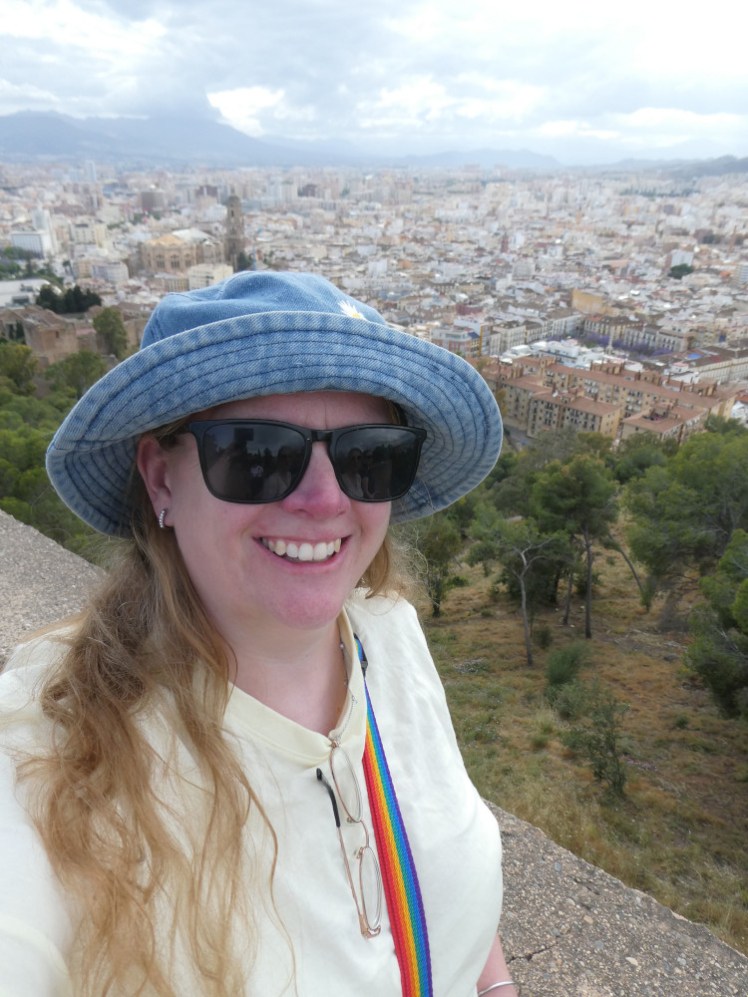
I knew I wasn’t the sort of person who goes to Málaga. Sun, sea, sand, drunken hen and stag parties, sunburned Brits demanding fried breakfasts after a night staggering around town with a pint in each hand and criticising the locals for letting slip a word or two of Spanish. The sun alone would normally rule this polar bear out (there’s a reason for this blog’s title and it’s not my resilience in the face of warmth!) but my best friends from school were planning a girls’ trip somewhere warm, cheap and directly accessible from both Bournemouth and Stockholm and the answer to that, on dates all three of us could manage on pretty short notice, was Málaga.
And yes, we were all faintly… well, not embarrassed about it but… yeah, it was perhaps somewhere none of us would have chosen under any other circumstances.
But when we arrived, after our first “It’s warm! That’s the sun! There are palm trees! Are those parakeets?!” impression, we began to look at Málaga and see something we weren’t expecting. In fact, it was so far beyond merely “not what we were expecting”. It was a complete and utter surprise. Our second impression, which was proved again and again over the four days, was that we’d been wrong about everything.
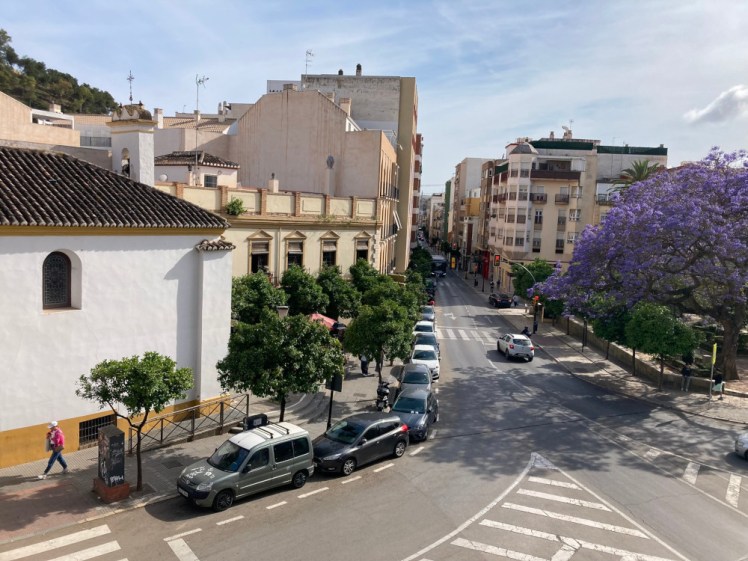
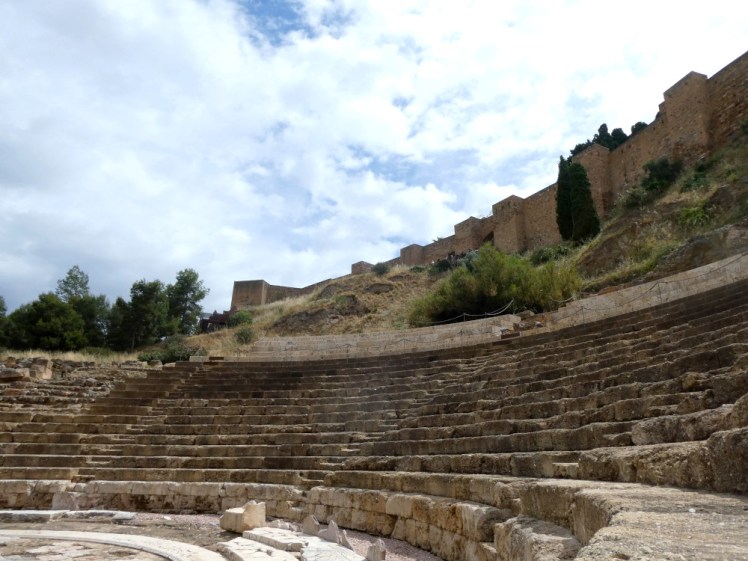
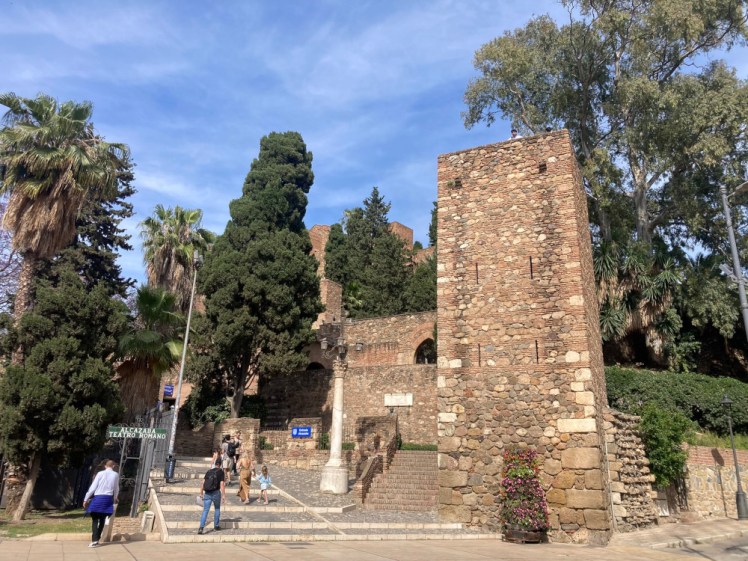
Málaga is no rowdy city ruined by foreign tourism. Málaga is a city piled high with culture and history – Spanish layered on Moorish layered on Roman layered on Phoenician. It’s somewhere around 2800 years old, which makes it the second oldest city in Spain, the fourth oldest city in western Europe and the 14th oldest city in Europe as a whole. It predates Rome and Istanbul and makes London look like a mere baby. In some cities, that history would have vanished or been buried or been redeveloped over the millennia but it’s front and centre in Málaga. There’s a Roman amphitheatre from the 1st century BC just casually sitting in the middle of town. There are two fortresses looming over the city, one dating back to the 10th century and the other founded in the 11th.
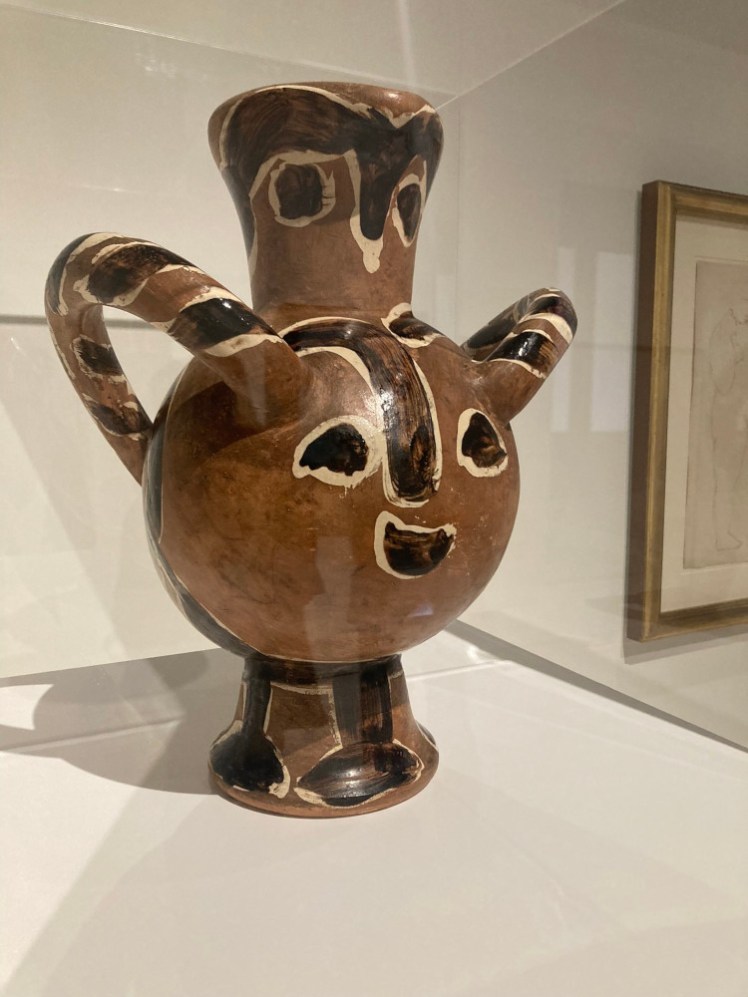
The souvenir shops are full of postcards and prints of works by Picasso, who was born here – and yes, I admit, the occasional phallic candle for the hen parties. There are two Picasso museums here; his birthplace and a 16th century palace converted into a dedicated museum. Museums are clearly what Málaga would prefer to be known for; the Plaza de la Merced is covered in hoardings advertising its various museums, which also include a branch of the Centre Pompidou and the Carmen Thyssen Museum, which houses art collected by the Spanish socialite and former Miss Spain of the same name.
We spent at least the first 36 hours staring around and repeating “This isn’t at all what I expected” and when the novelty of saying it out loud finally wore off, we kept thinking it. Yes, there were hen parties but only a handful, all during the day, and yes, most of them were wearing matching pink hats or t-shirts or sunglasses or all three but they weren’t drunk or rowdy or obnoxious. They were just crossing the city. If there were stag parties, I didn’t notice them. Cocktails were the order of the day (or evening) and I’m not sure I ever glimpsed a pint of sour yellow wheat-water. We had drinks at a bar overlooking the harbour and everyone was very well-behaved, both in the bar and around the harbour itself, which is where we might have expected some of the worst of the chaos to happen.
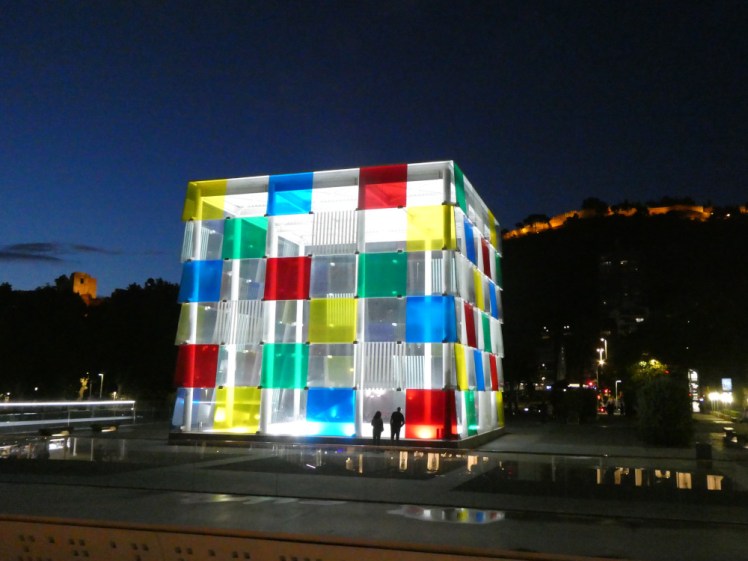
No fried breakfasts – there was a breakfast place a couple of doors up from our apartment but it did coffee and juice and light Spanish-style foods, or there was Breakfast at Tiffany’s down in the middle of town which wasn’t even open in the morning. No bacon, no eggs, no beans. And the locals in shops, restaurants and bars seemed to speak minimal English – which is fine! We’re in Spain! Of course everyone speaks Spanish! I was just under the impression that the entire Costa del Sol had had to adapt to the British tourists that overwhelms it.
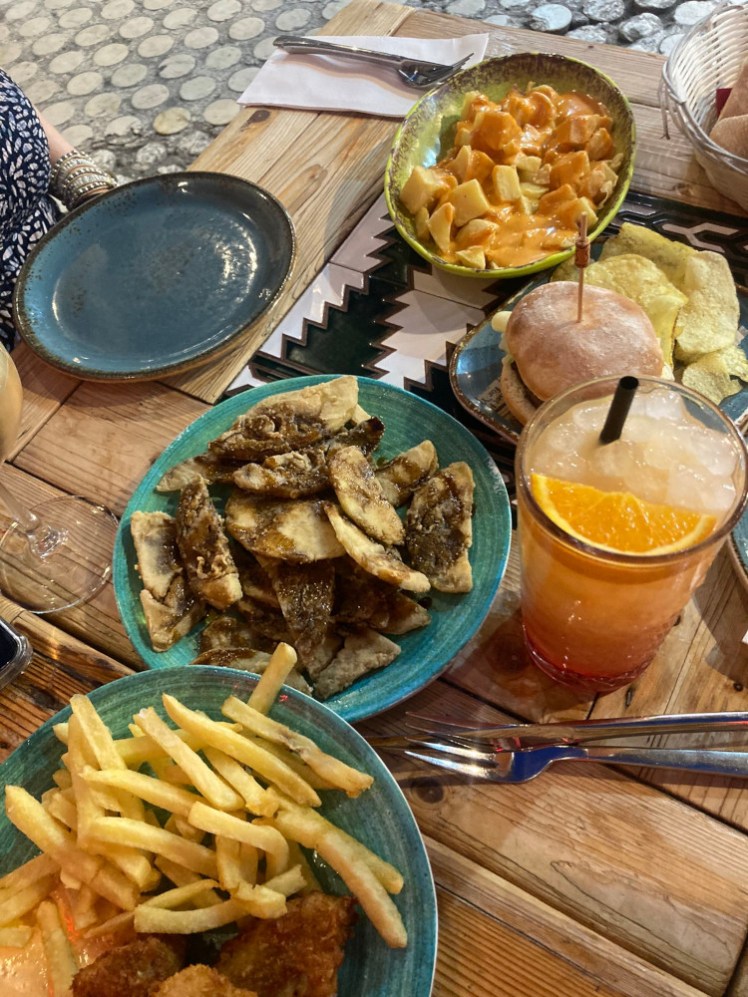
Because it turns out British tourists don’t overwhelm Málaga. Oh, they’re there but not nearly as many as I expected and they’re not annoying or obnoxious at all. I heard more German voices than British, and Spanish outnumbered even the Germans twenty to one. In 2023, 39% of overnight visitors to Málaga were Spanish. Brits made up about 12% but more than 88% of arrivals at Málaga Airport, which makes me wonder if the roughly 5% of tourists who are German are a little more prone to coming overland.
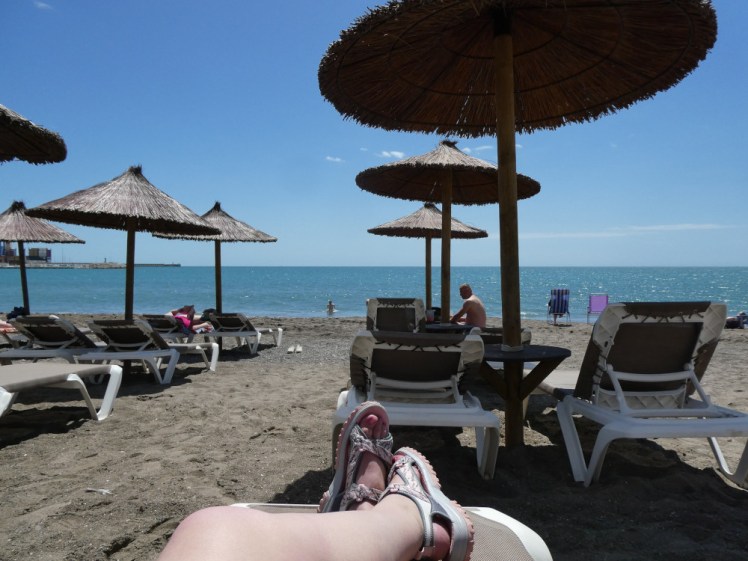
Even the beaches aren’t the long wide sweeps of enviably perfect golden sand that you see on Escape to the Sun. No grids of umbrellas and sun loungers so dense that you can’t even see the beach and there were barely any lobster-red tourists daring skin cancer to do its worst. The only sunburned Brit that I spotted (apart from myself – I know I burn the back of my calves so I put sun cream on them but clearly not enough) was the man on the airport train with a sharply defined line between the red knee and the white thigh when his shorts rode up a little. There was a patch of loungers under thatched parasols that simply didn’t care about the strong breeze that would have turned umbrellas inside out, with no more than a dozen people using them. The sand looked like the grey-brown of wasteland dust but if you got off the lounger and lay on the sand, it turned out to be a mixture of pulverised quartz and some dark grey stone more reminiscent of Icelandic beaches than the Costa del Sol and because it’s so dark, it holds the heat of the sun really well. If you get cold in the wind lying on your lounger, it’s like lying in an oven to move to a towel on the sand instead.
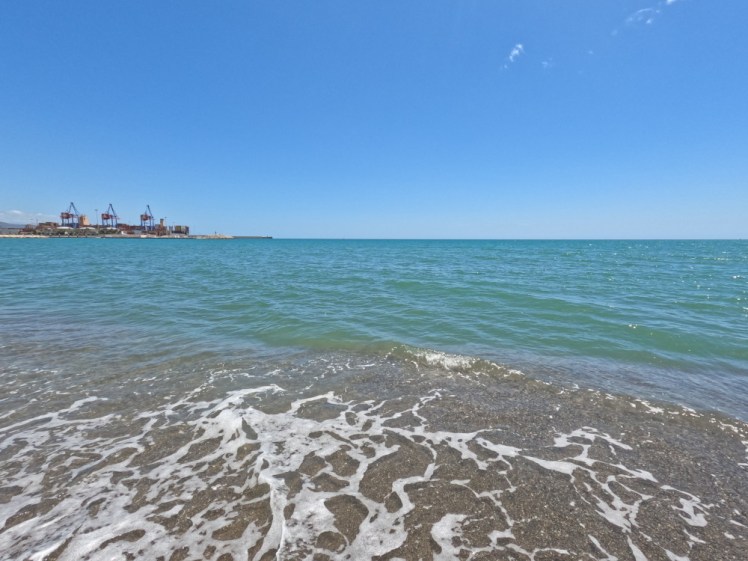
The Mediterranean gets full credit, though – that turquoise blue under blue sky is one thing that was exactly as I’d expected it to be. Amazing colour. It just would have been nice if there hadn’t been a cold wind that made it really offputting to do any more than get our toes wet.
I conclude that if you like nice classy city breaks like Amsterdam or Prague (which genuinely do have some appalling tourist behaviour layered over their centuries of history and culture) and you also like a bit more warmth, you’ll probably find you like Málaga a lot more than you might expect to. I liked Málaga a lot more than I expected to and I realised just how much research I hadn’t done before I went. So stick around and I’ll give you some of that research so you can find it all in one place.
 I Am A Polar Bear